Deutsches Ledermuseum: AT A TURNING POINT
110 years, over 150 exhibitions, and over 30,000 items in the collection – With one final major exhibition before its temporary closure, the Deutsches Ledermuseum is kicking off the process leading up to its upcoming comprehensive renovation. Ae retrospective delves into the museum’s exciting and eventful past while also offering a glimpse into its potential future design.
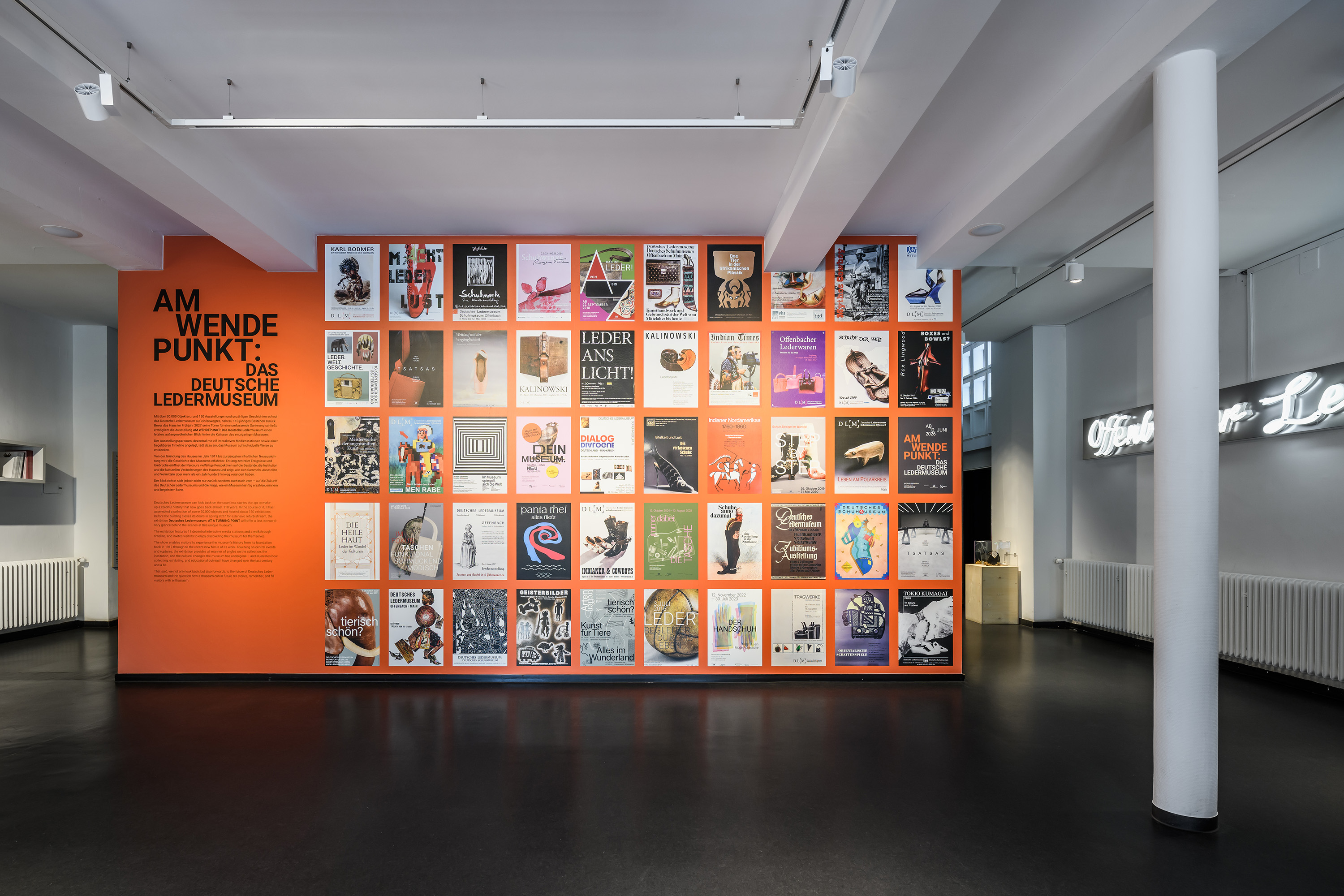
Deutsches Ledermuseum: AT A TURNING POINT traces the history of the museum – from its foundation in 1917 by Prof. Dr. h.c. Hugo Eberhardt (1874–1959), through historical upheaval, to its emergence as a significant international specialist museum dedicated to leather as a material in all its shapes and forms, and subsequently its present-day form with the new focus of its content since 2015.
Interaktive Medienstationen
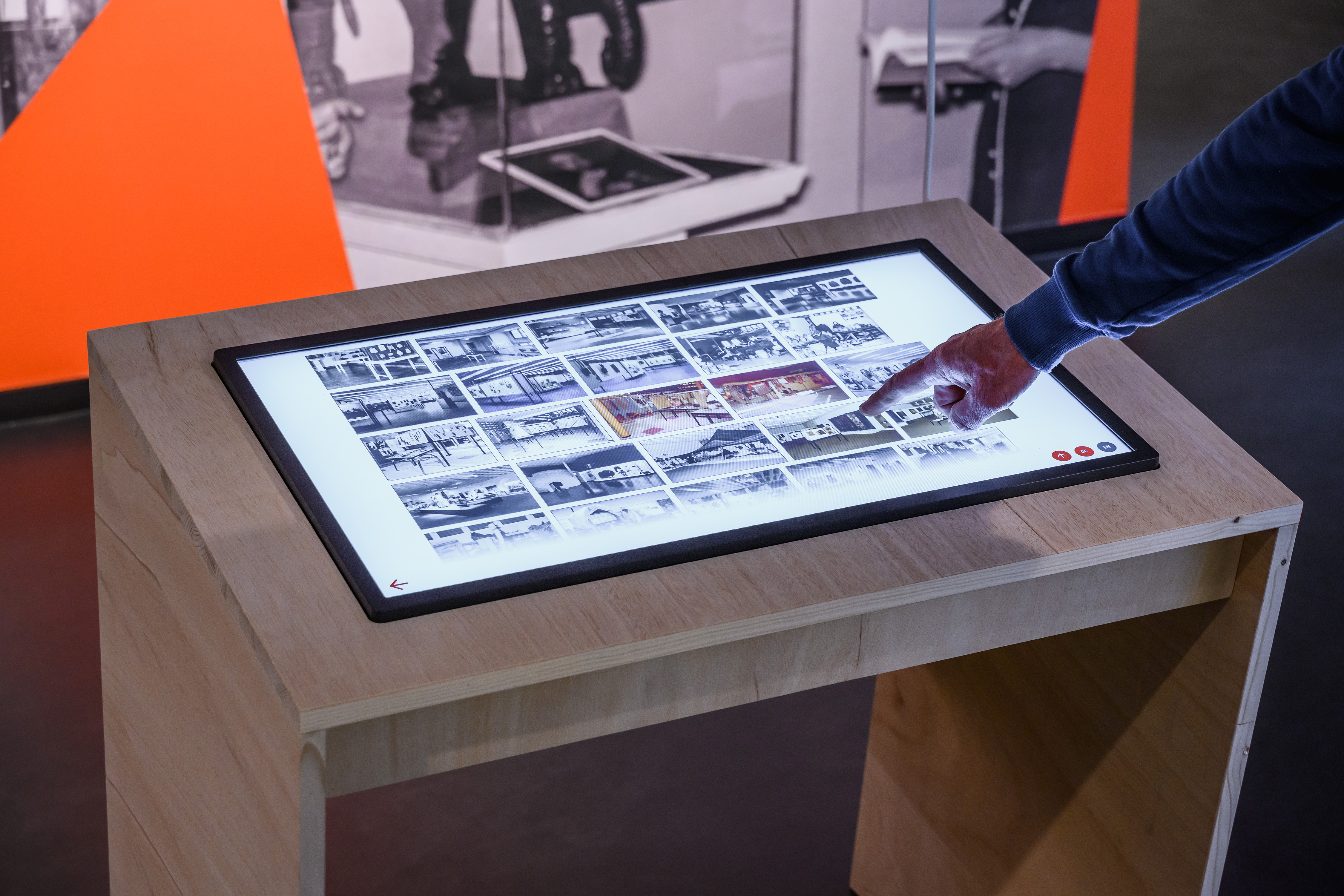
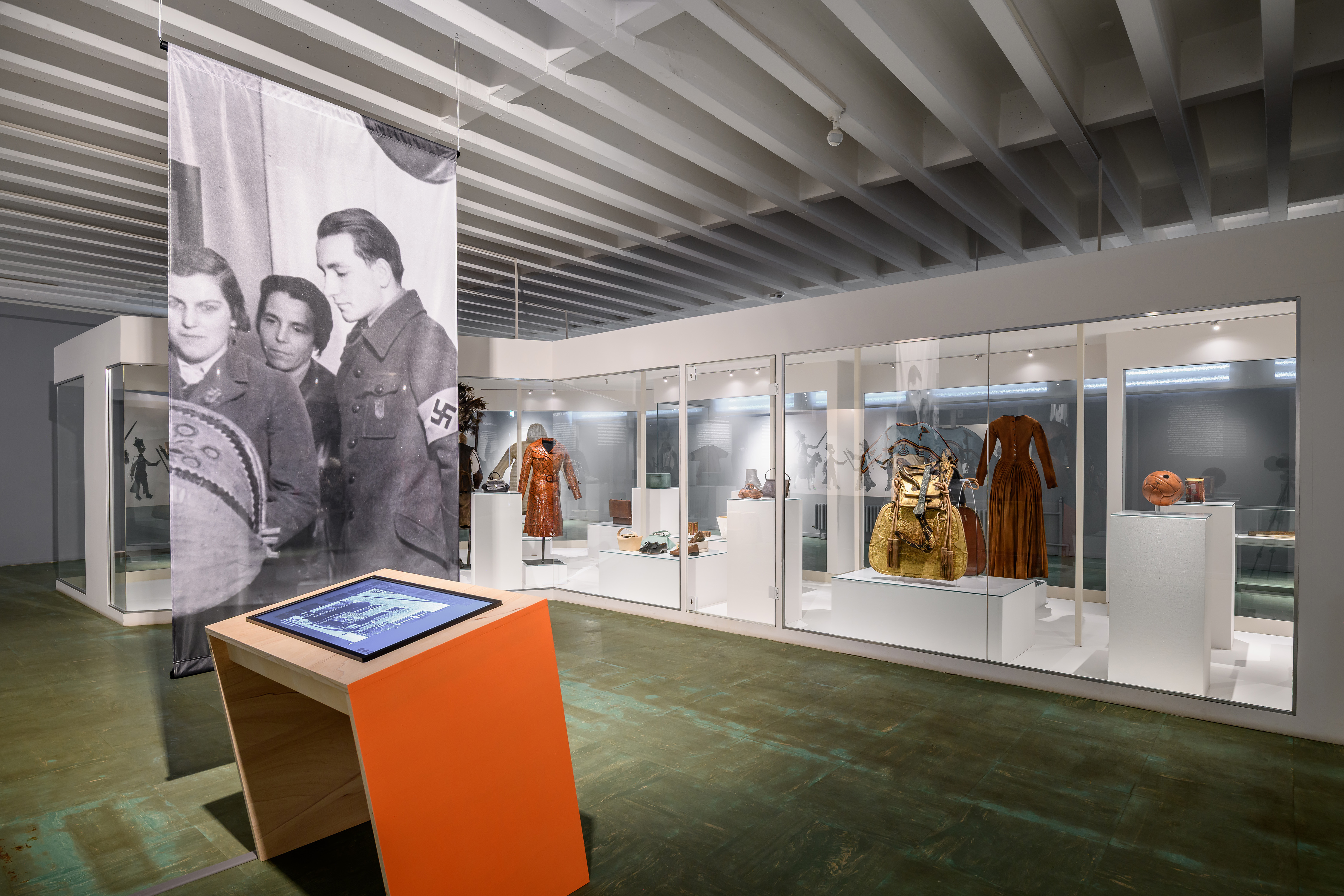
A total of 11 interactive media stations, spread throughout it on all three floors, form a decentral tour. Each station can be viewed in its own right, and visitors can simply choose what they are interested in, depending purely on what they want to find out more about. Some of the 11 stations explicitly address the founding history of the museum and the career of its first director, Hugo Eberhardt. They shed light, among other things, on the close links and institutional overlap with today’s HfG Offenbach University of Art and Design, which date back to the museum’s founding phase.
Eine einzigartige Sammlung
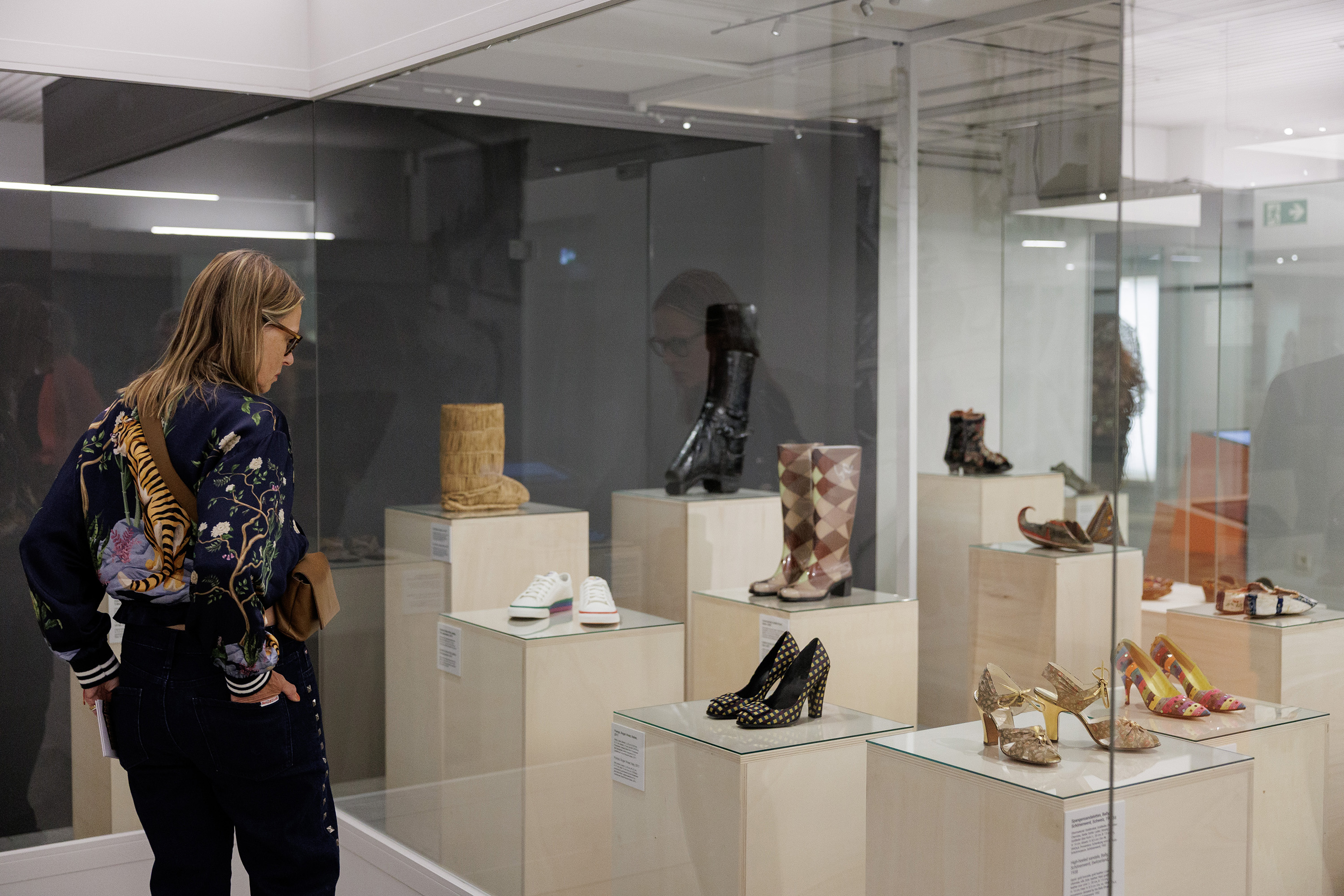
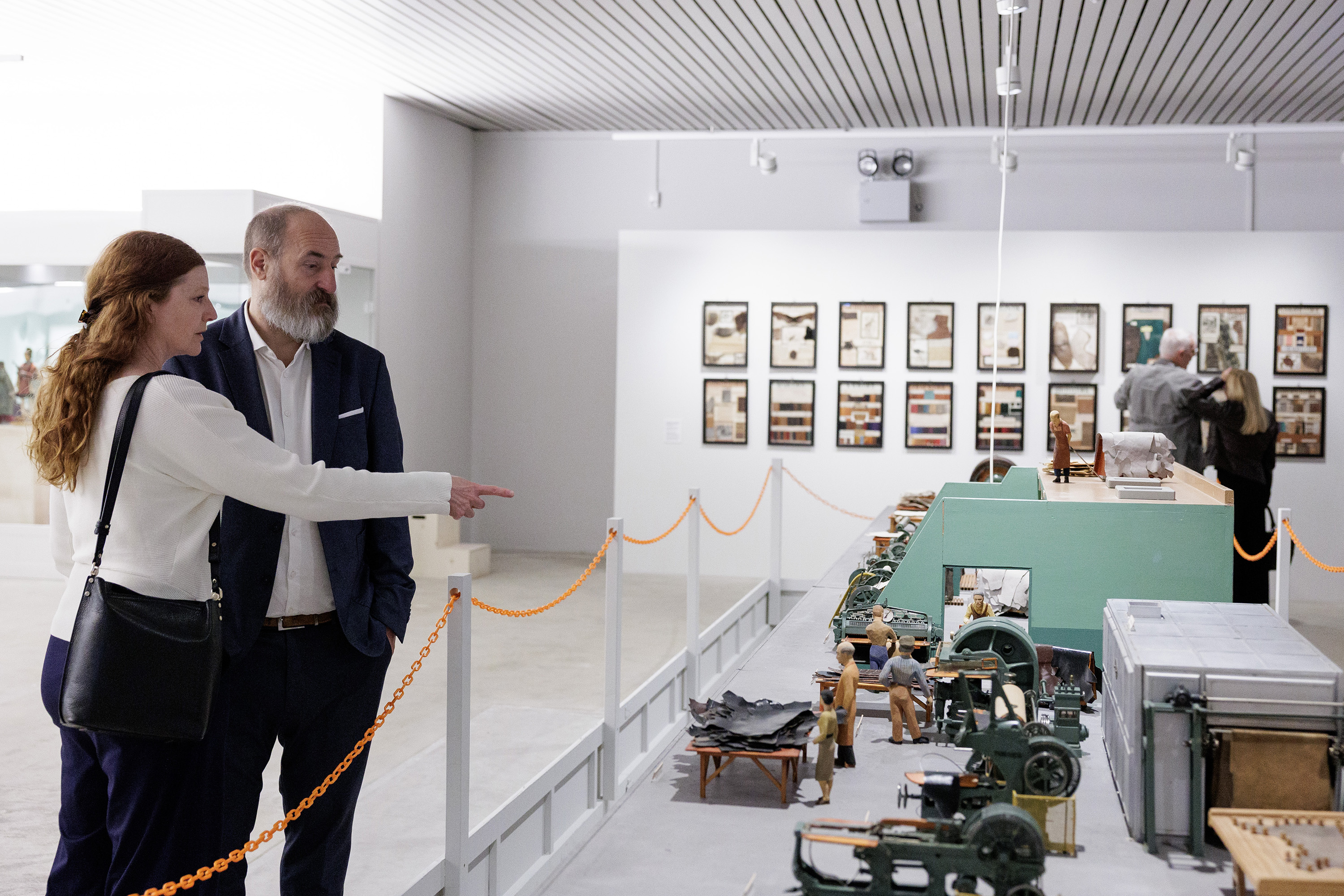
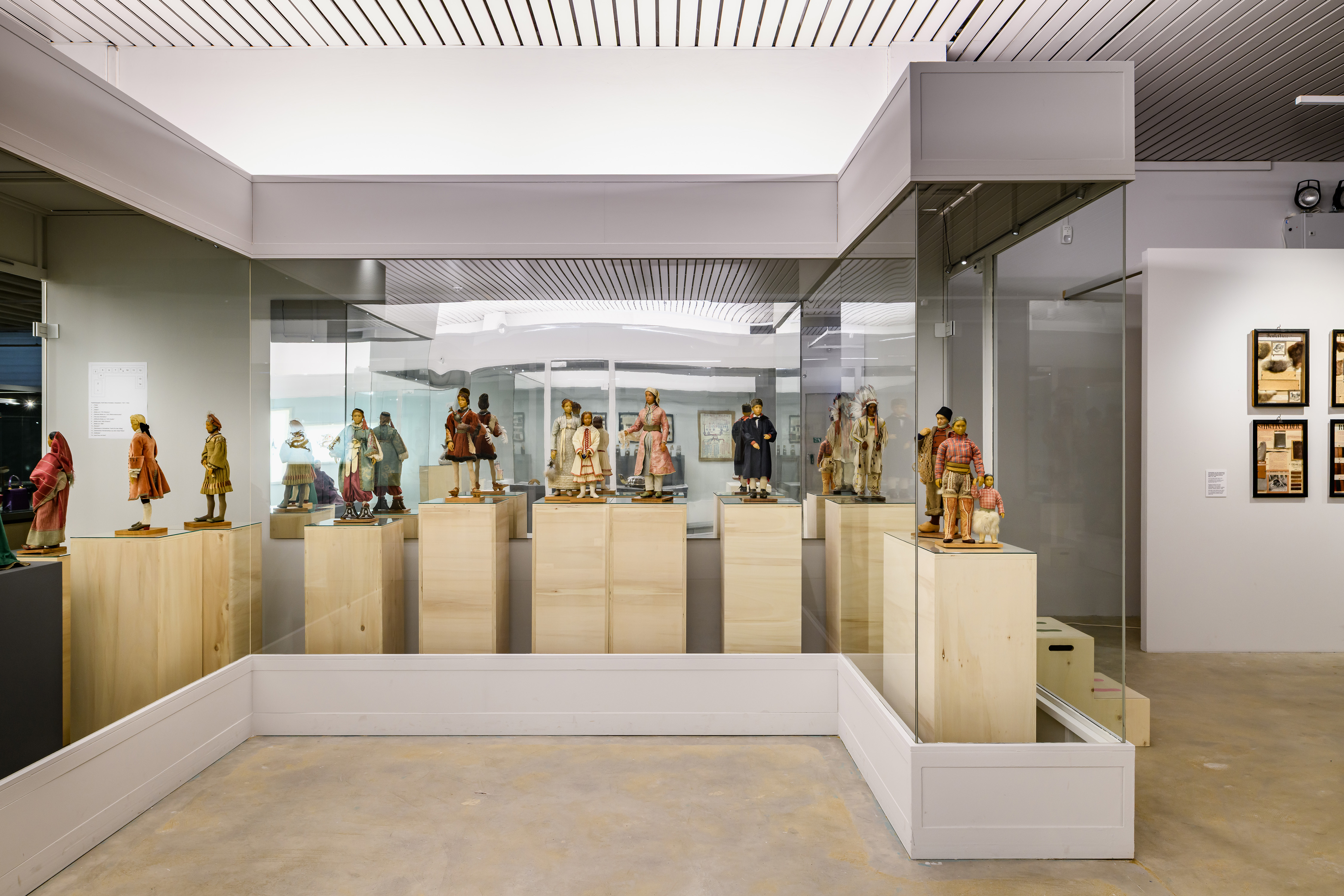
The exhibition uses selected exemplary items to trace the history of the Offenbach leather industry, which constitutes the museum’s DNA and the importance of the products made here, with pieces ranging from early examples of wallets through to contemporary luxury models – such as those made by designer duo TSATSAS, which is based in Offenbach/Frankfurt am Main. With it's extensive shoe collection the museum outlines the history of the culture and meaning of shoes but also presents key content in the form of selected pieces of footwear. At its heart a mechanical model from the 1950s demonstrates the production of chrome-tanned leather in miniature format.
Fast 110 Jahre Museumsgeschichte
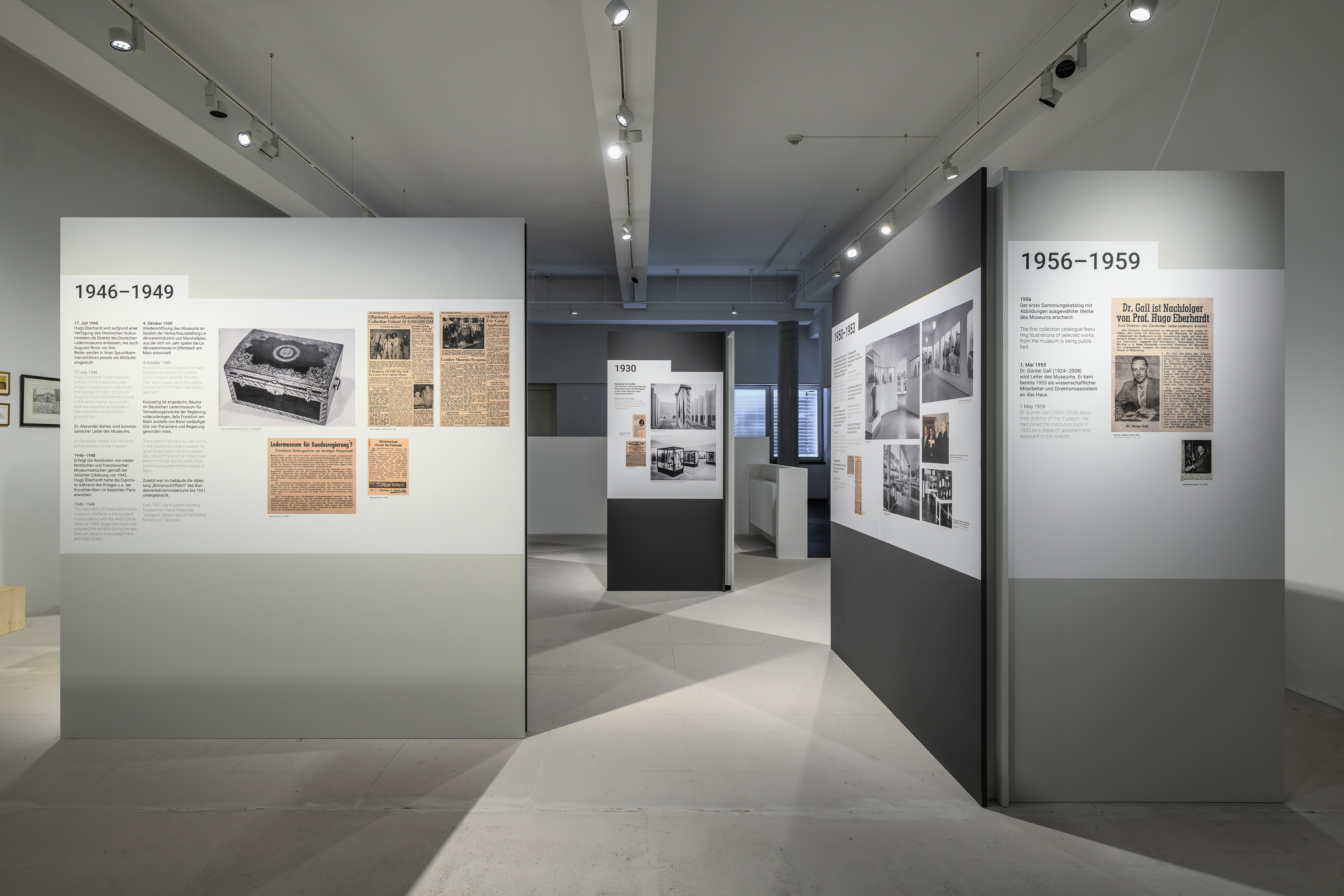
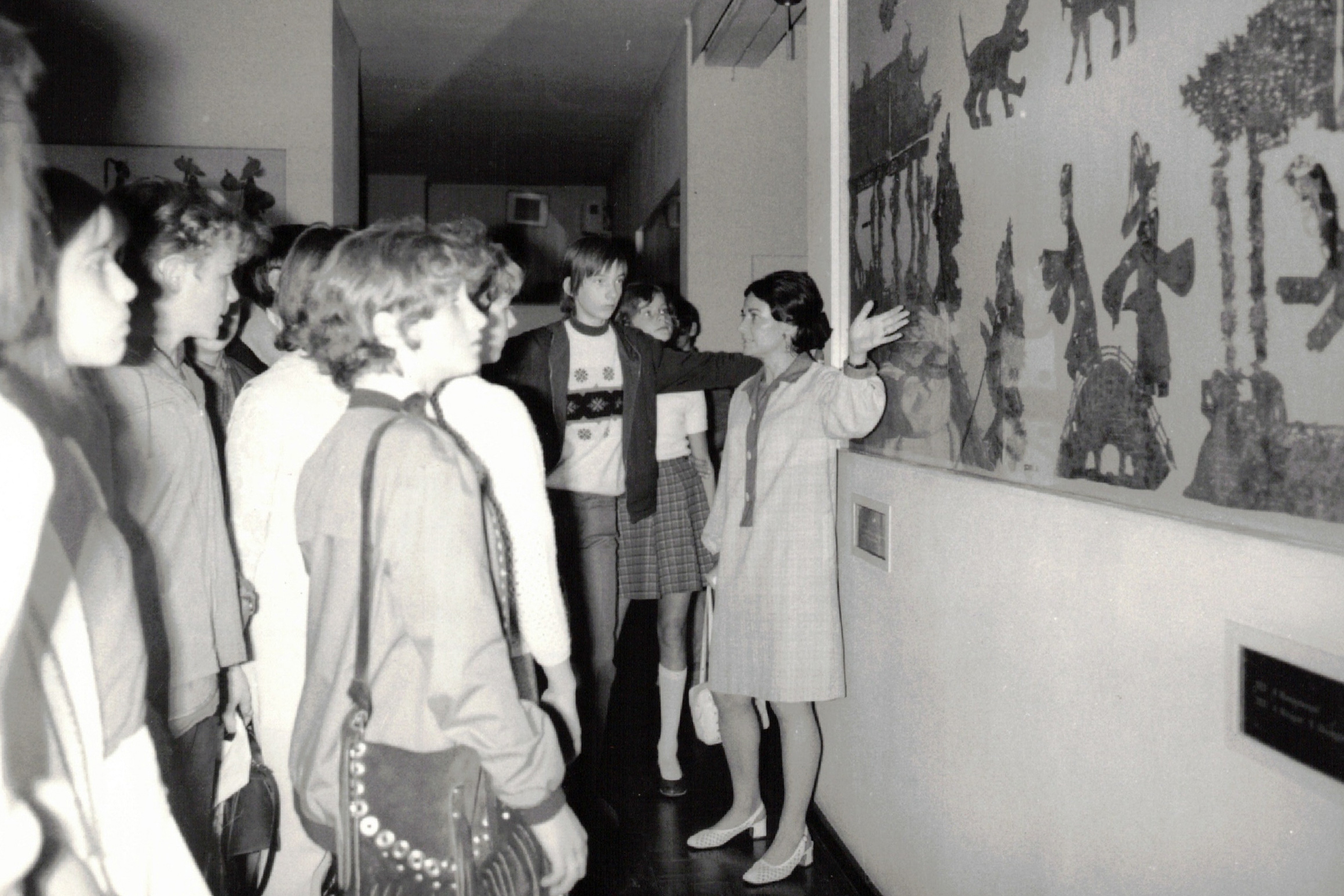
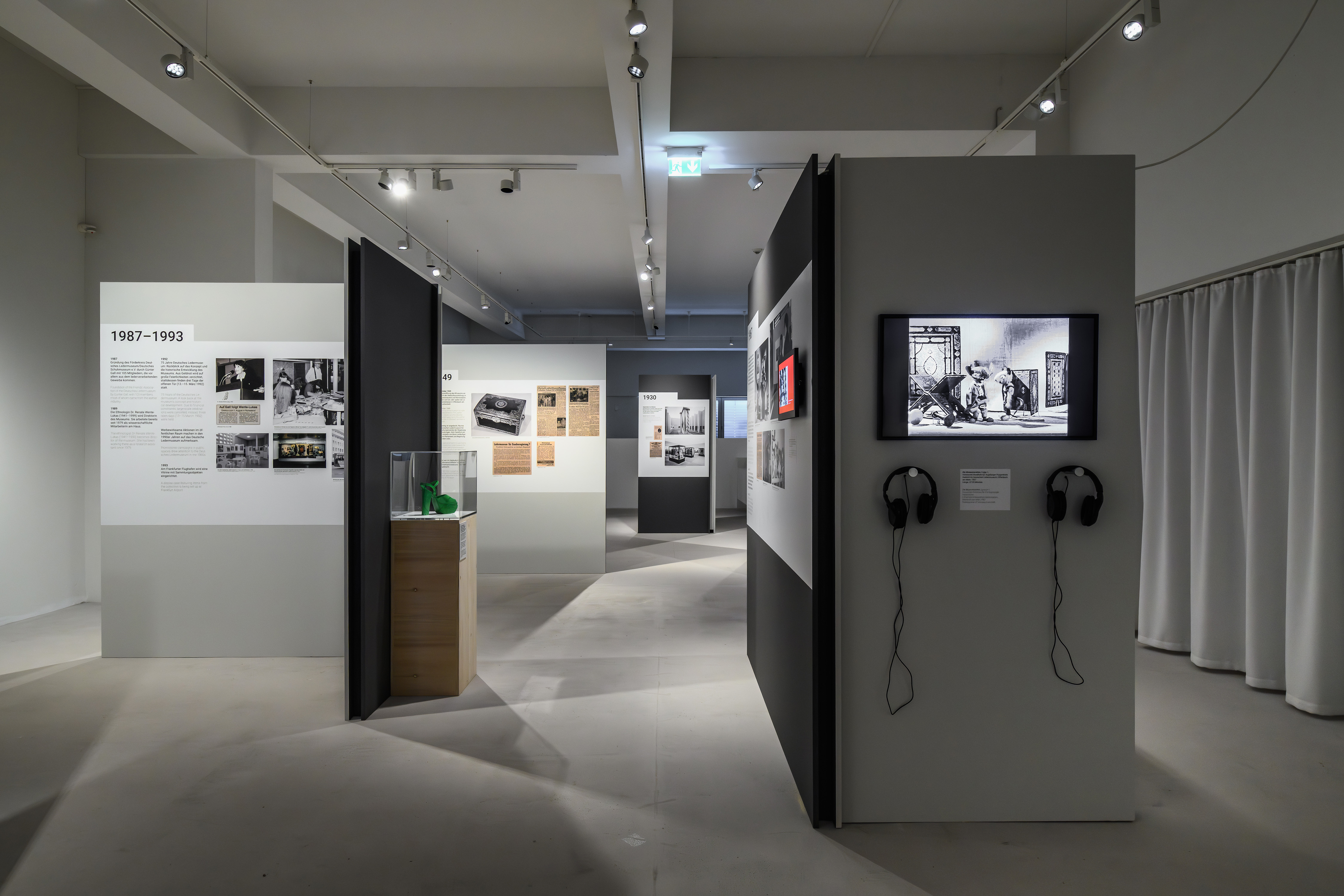
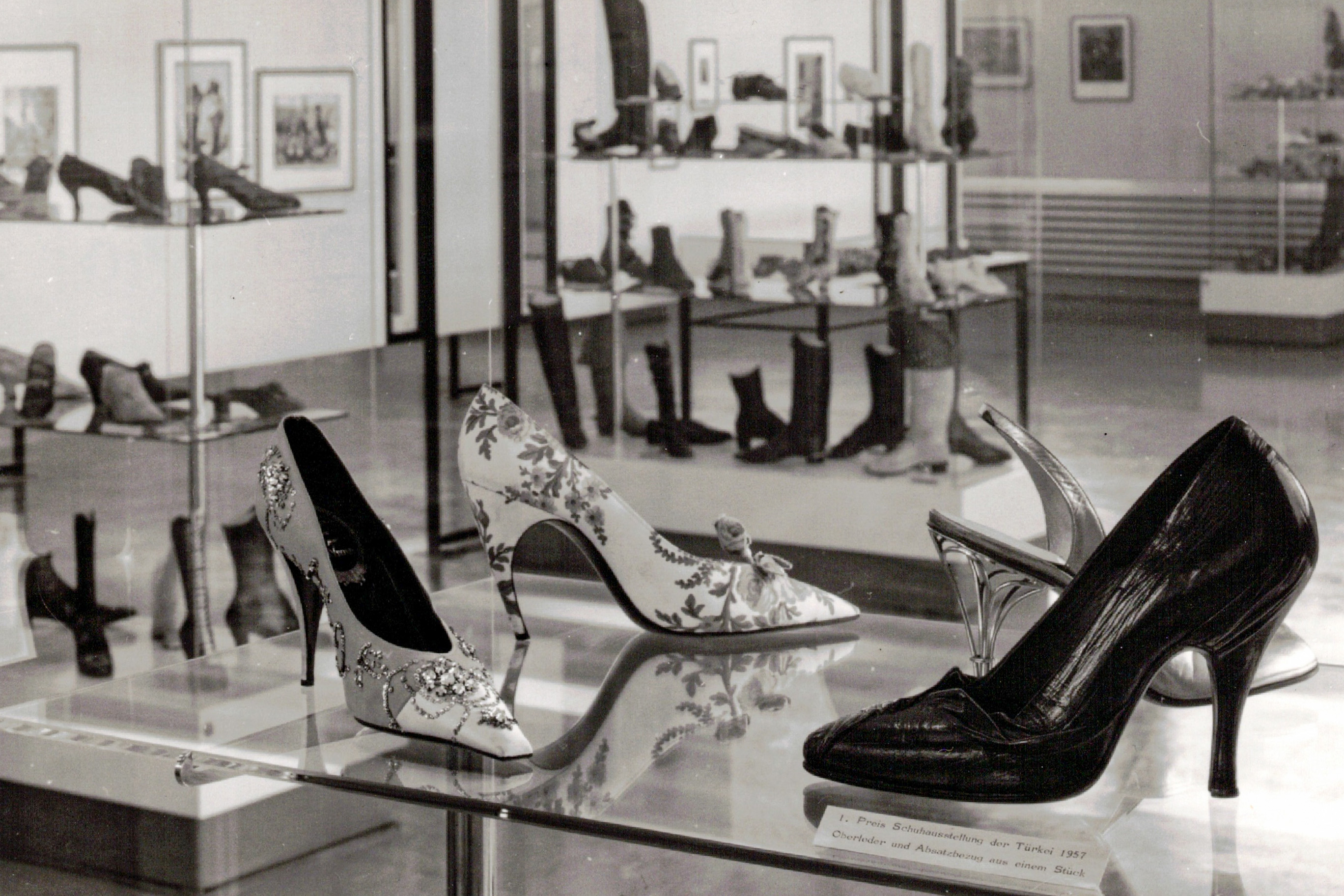
A visitor experience is a walkthrough timeline, with the most important events, exhibitions, moments of upheaval, and highpoints in the museum’s history all brought to life in chronological sequence. Historical posters, exhibition publications, invitation cards, visitor responses, photographs, press coverage, and film material will enable visitors to immerse themselves once more in the museum’s 110-year history.
Universalmuseum einst und jetzt
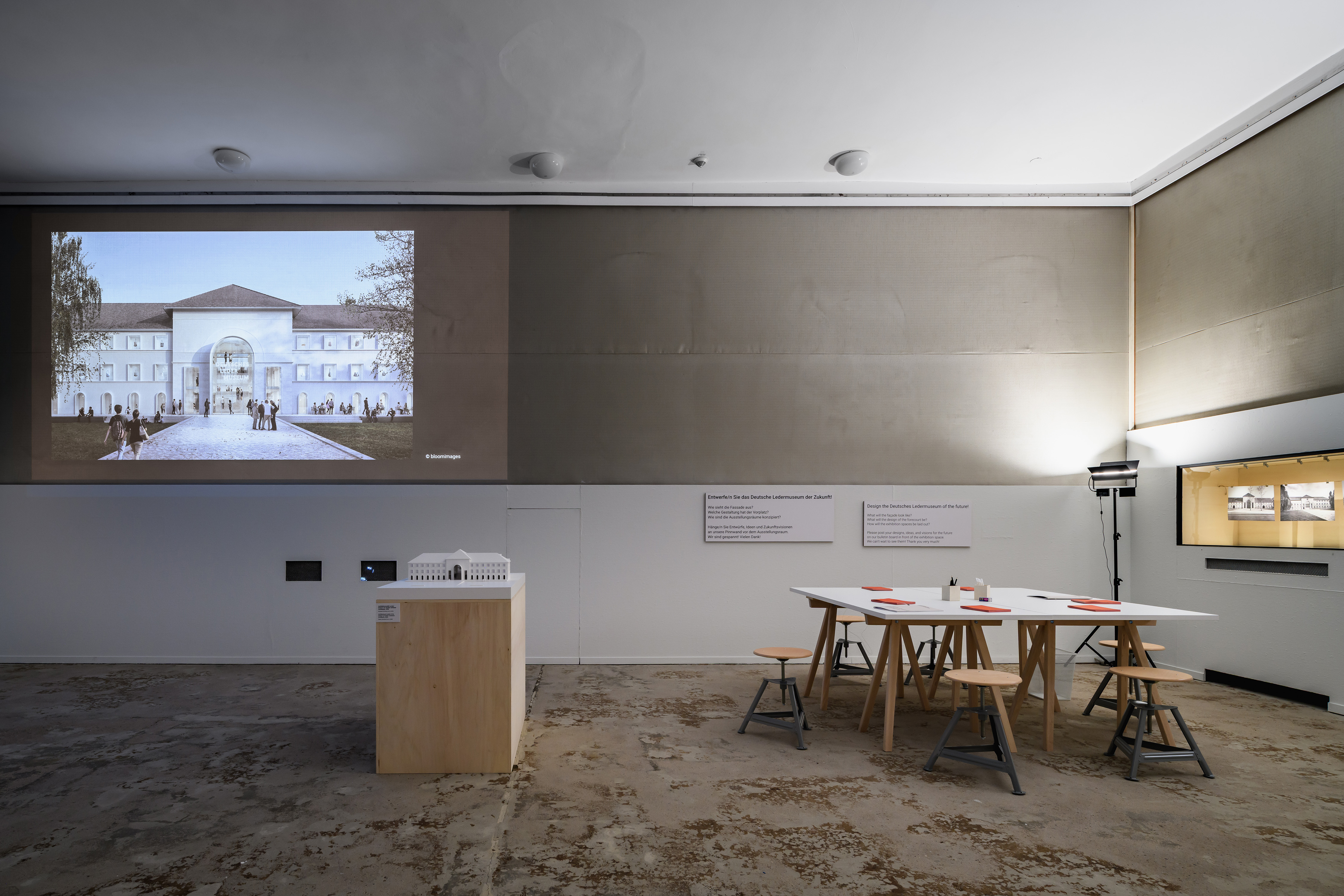
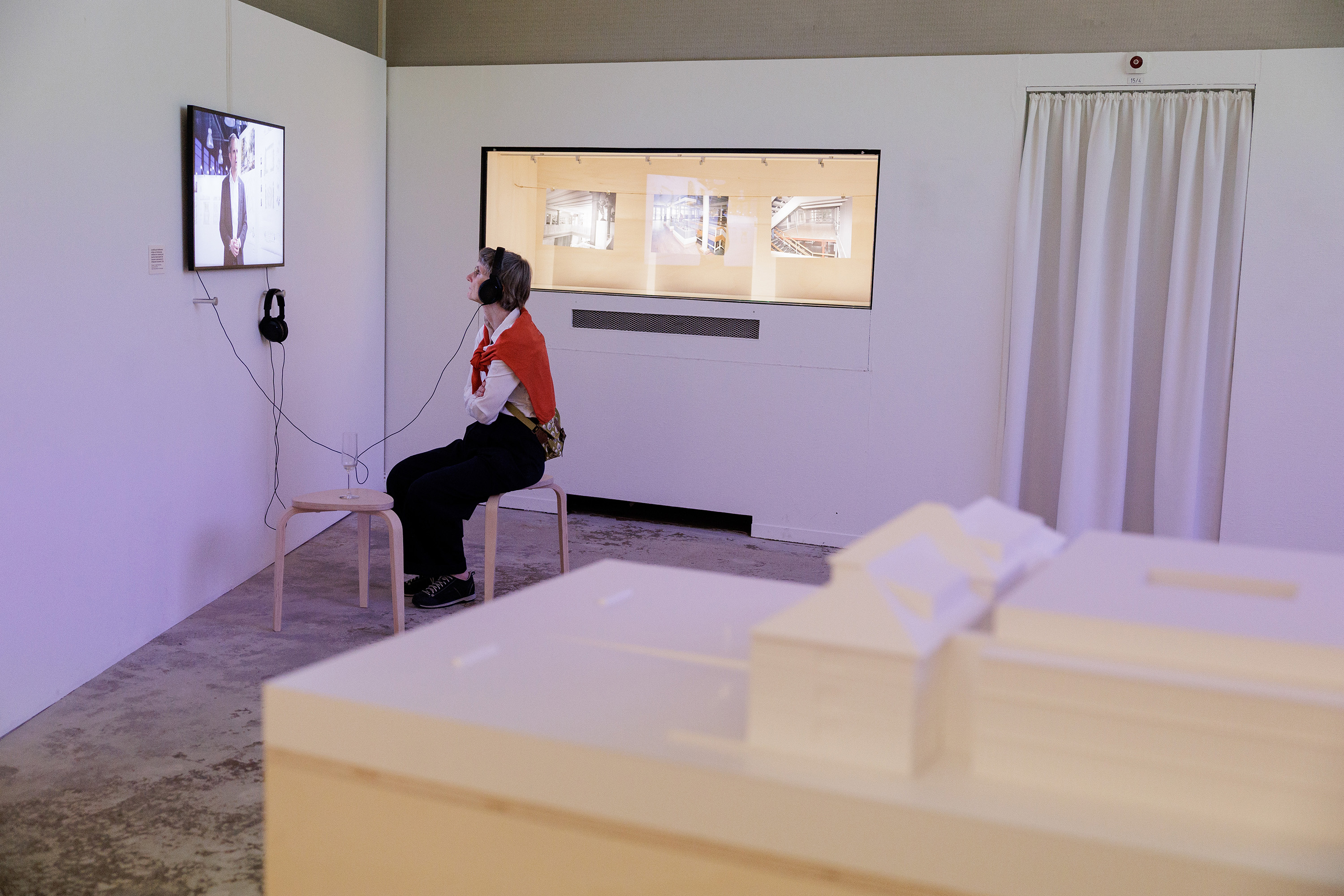
Another station whisks visitors away into the museum’s architectural history, swiftly familiarizing them with the shape of the current museum building and also showing, over and above all conservational and facility technology stipulations, why the refurbishment is so urgently needed. Finally, the plans and the model by Rustler Schriever Architekten that won first prize in the architectural competition offer an outlook on the future of the Deutsches Ledermuseum.
The exhibition has been made possible thanks to generous funding from Dr. Marschner Stiftung

and Kulturfonds Frankfurt RheinMain.